
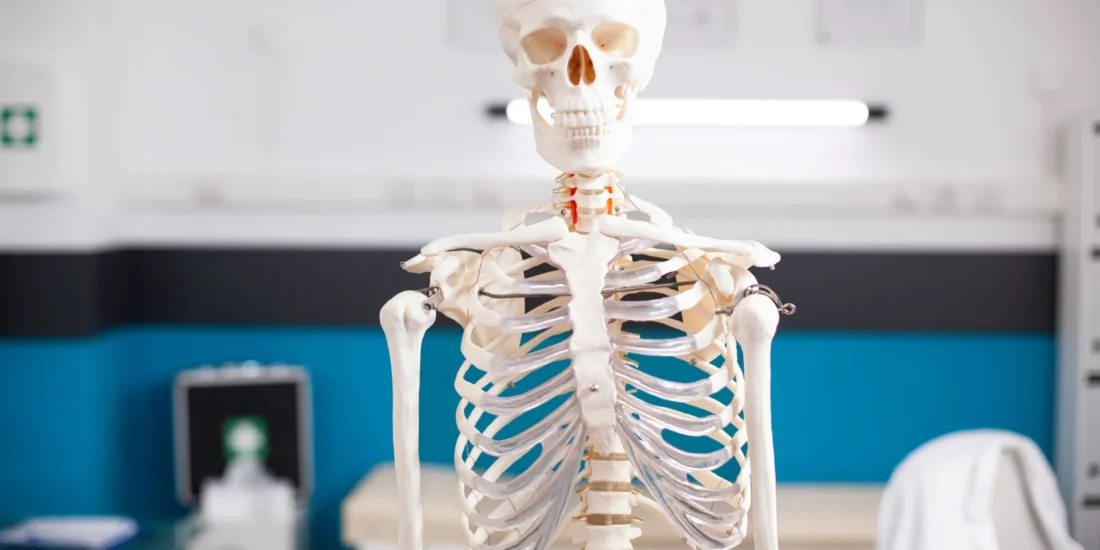
The skeletal system is the structural framework of the human body, providing both support and protection for various organs. It is made up of bones, cartilage, ligaments, and tendons, working together to allow movement, protect vital organs, and store minerals and fat. The skeletal system is essential for overall health and fitness, serving as the foundation upon which muscles attach and enable movement.
In this chapter, we’ll explore the components of the skeletal system, its role in human health and fitness, and how you can take care of it to improve your overall performance in both daily activities and sports.
Components of the Skeletal SystemThe skeletal system is the body’s structural framework, consisting of bones, cartilage, ligaments, and tendons, providing support, protection, enabling movement, and storing minerals and fat.
The skeletal system is the body’s structural framework, consisting of bones, cartilage, ligaments, and tendons, providing support, protection, enabling movement, and storing minerals and fat.
The skeletal system is composed of various parts, each serving a unique function. It is made up of bones, cartilage, ligaments, and tendons:
- Bones
- Bones are the rigid, mineralized structures that form the skeleton. They provide support, protection, and act as levers for muscle attachment, enabling movement.
- The human skeleton has 206 bones, which can be categorized into two groups:
- Axial Skeleton: Consists of the skull, vertebral column, and rib cage. It protects the brain, spinal cord, and vital organs.
- Appendicular Skeleton: Includes the limbs (arms and legs) and their attachments to the axial skeleton, allowing mobility.
- Cartilage
- Cartilage is a flexible, rubbery tissue that covers the ends of bones in joints. It reduces friction and absorbs shock, allowing smooth movement and preventing wear and tear on bones.
- Common types of cartilage include hyaline cartilage, fibrocartilage, and elastic cartilage.
- Ligaments
- Ligaments are tough, fibrous tissues that connect bones to other bones at joints. They provide stability and support to the skeleton and help prevent excessive movement that could lead to injuries.
- Tendons
- Tendons are thick, fibrous cords that connect muscles to bones. When muscles contract, tendons transmit the force to bones, causing movement. They are crucial for allowing controlled and efficient movements.
Functions of the Skeletal SystemThe skeletal system is the body’s structural framework, consisting of bones, cartilage, ligaments, and tendons, providing support, protection, enabling movement, and storing minerals and fat.
The skeletal system is the body’s structural framework, consisting of bones, cartilage, ligaments, and tendons, providing support, protection, enabling movement, and storing minerals and fat.
The skeletal system performs several critical functions that are essential for human health and movement:
- Support
- The skeleton provides a framework for the body, supporting tissues and organs. Without bones, the body would collapse, and many organs, including the brain, heart, and lungs, would be vulnerable to injury.
- Protection
- Bones provide protective encasements for vital organs. For example, the skull protects the brain, the rib cage shields the heart and lungs, and the vertebral column encases the spinal cord.
- Movement
- Bones act as levers that muscles pull on to create movement. The interaction between bones and muscles enables walking, running, lifting, and performing nearly every physical task.
- Mineral Storage
- The bones store essential minerals like calcium and phosphorus, which are released into the bloodstream when needed to support various bodily functions.
- Blood Cell Production
- Bone marrow, found in certain bones, produces blood cells, including red blood cells (which carry oxygen), white blood cells (which fight infection), and platelets (which aid in clotting).
- Fat Storage
- The bone marrow also stores fat, which can be used as an energy source when the body is in need of extra calories.
How the Skeletal SystemThe skeletal system is the body’s structural framework, consisting of bones, cartilage, ligaments, and tendons, providing support, protection, enabling movement, and storing minerals and fat.
Contributes to Fitness and Sports Performance
The skeletal system is the body’s structural framework, consisting of bones, cartilage, ligaments, and tendons, providing support, protection, enabling movement, and storing minerals and fat.
The skeletal system plays a significant role in fitness and athletic performance. Here’s how it contributes:
- Movement and Flexibility
The ability of joints and muscles to move through a full range of motion.
- Healthy joints and bones allow for better movement efficiency. Flexibility in the joints enables the body to perform complex movements, especially in sports that require agility, such as gymnastics, dance, and martial arts.
- Stability and Strength
- A strong skeletal system provides the stability necessary for performing strength exercises, like squats and deadlifts, and helps prevent injuries during physical exertion.
- Balanceand Coordination
The ability to maintain the body’s center of gravity over its base of support, crucial for stability.
- The skeletal system, in conjunction with the nervous system, plays a crucial role in maintaining balance and coordination. This is essential for sports like basketball, soccer, and swimming, where fine-tuned control is needed.
- Enduranceand Performance
Endurance is the ability of the body or a specific muscle group to sustain prolonged physical activity without fatigue.
- The bones provide the foundation for muscle endurance and support stamina during long-distance running or cycling. Healthy bones ensure that muscles can work efficiently without the risk of stress fractures or joint instability.
Maintaining a Healthy Skeletal SystemThe skeletal system is the body’s structural framework, consisting of bones, cartilage, ligaments, and tendons, providing support, protection, enabling movement, and storing minerals and fat.
The skeletal system is the body’s structural framework, consisting of bones, cartilage, ligaments, and tendons, providing support, protection, enabling movement, and storing minerals and fat.
Taking care of your skeletal system is vital for overall health, fitness, and performance. Here are some tips to maintain strong bones and joints:
- Regular Weight-Bearing Exercise
- Weight-bearing exercises like running, walking, and resistance training help strengthen bones by stimulating the production of bone-forming cells. These exercises are essential for building and maintaining bone density.
- Adequate Calcium and Vitamin D Intake
- Calcium is the building block of bone tissue, and vitamin D helps the body absorb calcium. Ensure that your diet is rich in calcium-rich foods like dairy, leafy greens, and fortified cereals. Vitamin D can be obtained through sunlight exposure and foods like fish and fortified milk.
- Avoiding Excessive Impact
- While exercise is important for bone health, excessive impact, such as repetitive high-impact activities, can stress joints and bones. It’s important to balance impact exercises with low-impact activities like swimming or cycling to protect the joints.
- Stretching and FlexibilityTraining
The ability of joints and muscles to move through a full range of motion.
- Stretching exercises help keep joints flexible and reduce the risk of injury. Incorporate stretching or yoga into your routine to improve joint health and range of motion.
- Proper Posture
- Maintaining good posture while sitting, standing, and exercising ensures that the spine and joints are aligned properly, preventing unnecessary strain on the skeletal system.
- Adequate Rest and Recovery
The process by which the body repairs and strengthens itself after training.
- Rest is important for joint health and bone recovery. Overworking your body without sufficient rest can lead to joint pain or stress fractures. Make sure to include rest days in your fitness routine.
Common Skeletal SystemThe skeletal system is the body’s structural framework, consisting of bones, cartilage, ligaments, and tendons, providing support, protection, enabling movement, and storing minerals and fat.
Disorders
The skeletal system is the body’s structural framework, consisting of bones, cartilage, ligaments, and tendons, providing support, protection, enabling movement, and storing minerals and fat.
Understanding common skeletal system disorders can help you better prevent or manage any issues that may arise. Some common conditions include:
- Osteoporosis
A condition characterized by weak and brittle bones, increasing fracture risk.
- A condition where bones become weak and brittle due to a loss of bone density. This condition is common in older adults, particularly postmenopausal women. Weight-bearing exercise and calcium supplementation can help prevent osteoporosis.
- Arthritis
- Arthritis is the inflammation of joints, causing pain and stiffness. Osteoarthritis, the most common form, often affects weight-bearing joints like the knees and hips. Regular low-impact exercise, such as swimming, can help alleviate symptoms.
- Fractures
- A fracture is a break in a bone, usually caused by trauma or impact. Proper bone health, including a diet rich in calcium and vitamin D, can help reduce the risk of fractures.
- Scoliosis
- Scoliosis is an abnormal curvature of the spine, which can affect posture and cause pain. Regular exercise and physical therapy can help manage scoliosis and improve spinal health.
Conclusion
The skeletal system is essential for the body’s overall structure, movement, and performance. Understanding its components and functions is crucial for maintaining bone and joint health, as well as improving your fitness and athletic abilities. By engaging in regular physical activity, consuming a nutrient-rich diet, and practicing good posture, you can ensure that your skeletal system remains strong and efficient, supporting you in every movement and activity you do.
Taking care of your bones not only helps prevent injuries but also enhances your overall quality of life, enabling you to perform better in both everyday activities and sports.